How to Organize Photos for Older Adults and Spark Joy & Healing
Henk van den Berg
A Simple Act with Deep Meaning
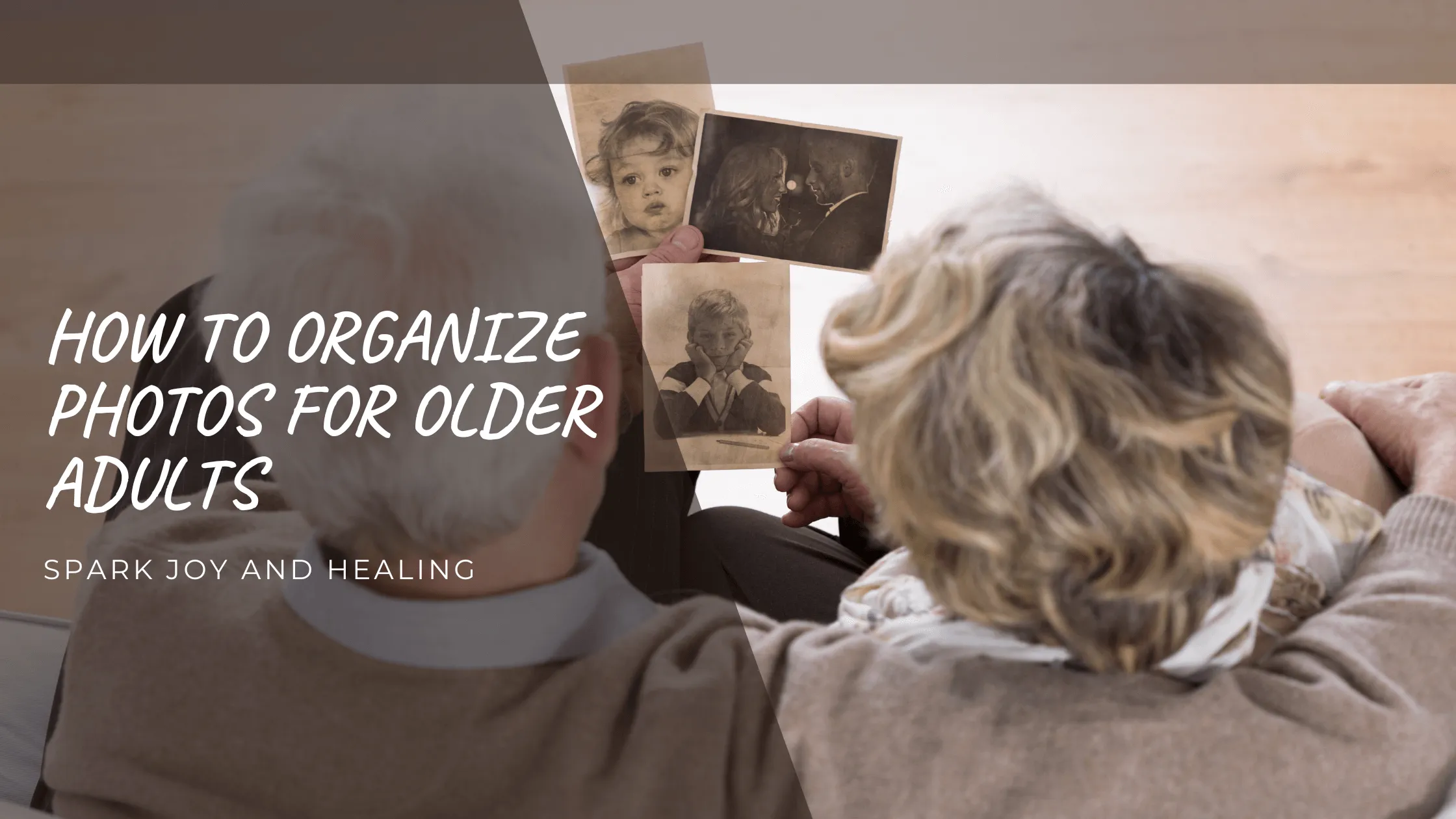
Have you ever wondered how to organize photos for older adults, especially when opening a box of old memories makes time feel as if it stands still? Perhaps it is a snapshot of your child’s first birthday, or a faded black-and-white portrait of your parents on their wedding day. For many older adults, these images are more than keepsakes. They are anchors to memory, identity, and connection.
I believe that photo organizing is about more than cleaning up a collection. It gives people a way to reconnect with themselves and their stories. Research shows that engaging with photographs can help older adults, especially those facing memory loss, life transitions, or emotional challenges.
So what makes photo organizing so meaningful?
The Struggles I See Most Often
If you or someone you love is facing decades of photos, you are not alone. I hear this often:
“My mother has shoeboxes full of unsorted photos, and it stresses her out.”
“I want to make a photo book for my father, but there are simply too many pictures.”
“We need to downsize, but we cannot bear the idea of tossing away memories.”
For older adults, these feelings often come together with:
Memory concerns or early cognitive decline
Grief and loss
The emotional weight of transitions, such as downsizing or moving to assisted living
What starts as a photo project can feel overwhelming, confusing, and emotional. That is also where the change begins.
Why Photos Help: What the Research Says
Organizing photos can offer real emotional benefits, and research helps explain why the process works so well for older adults.
1. Photos Spark Memory
Even when verbal memory falters, images can unlock stories, emotions, and recognition.
In a study by Whitfield et al. (2023), older adults experiencing memory concerns used photography to tell their stories, reflect on their lives, and reconnect with cherished moments. One participant described her photos as “my lifeline.”
This matters most in memory care settings, where photos can serve as bridges to identity and personal history.
2. They Help Process Emotions
Organizing photos can bring up sadness. It can also bring relief and joy. It creates space for:
Reflecting on losses
Reframing difficult periods
Celebrating milestones and resilience
Photography is a language for feelings, and it helps most when words fall short. In the Whitfield study, participants used symbolic images to express fear, hope, and identity, turning emotion into art.
3. They Strengthen Identity
Looking through meaningful photographs helps reinforce identity. A wedding photo can recall deep commitment. A picture of a first home can reflect values passed down through generations. Even difficult times, captured in images, show strength and resilience.
Psychologists call this autobiographical reasoning (Habermas & Bluck, 2000): connecting the events of a life into a coherent story. For older adults, photos highlight changing family roles, personal growth, and lasting values. Each photo helps affirm: “This is who I am.”
4. They Invite Conversation
Sharing photos is a social act. It opens the door to storytelling and connection:
Between older adults and grandchildren
Among siblings reminiscing about childhood
During caregiving, where a photo sparks recognition and smiles
Curated into a photo book or slideshow, these stories become bridges that support dignity, understanding, and closeness.
5. They Give Back a Sense of Control
Many older adults feel as if their world is getting smaller: fewer choices, less independence. Photo organizing restores a sense of agency.
“I chose these.”
“This day holds meaning for me.”
“This represents how I wish to be remembered.”
The process can be empowering, especially when it is collaborative, respectful, and centered on the person’s own voice.
Every photo collection is as unique as the life that created it.
How to Organize Photos for Older Adults: My Process
I guide clients through a structured but flexible process, built around empathy and paced around the person rather than the pile of photos.
Looking through photos together is often where the stories come back
Step 1: Gathering
I collect all photo sources: prints, albums, loose photos, negatives, slides, and digital files.
Step 2: Listening
I take the time to understand the person behind the photos. What matters most? Which stories do they want to preserve?
Step 3: Sorting and Curation
Together we choose the best and most meaningful images and set aside duplicates, blurry shots, and anything that no longer serves.
Step 4: Organizing
I group photos by theme, date, event, or family line, whatever works best for the person and their goals.
Step 5: Creating
I build what they need: an organized archive, curated albums, digital backups, or a story-based photo book.
Every step is paced with care and respects both the emotional and the technical side of photo organizing.
From Memory to Meaning: How to Organize Photos for Older Adults Together
If you are helping an aging parent downsize, or you are starting to notice memory changes yourself, organizing your photos can be a gentle way to reconnect with the moments that shaped your story. Learning how to organize photos for older adults starts with one box and one conversation.
I work with older adults and their families to simplify, digitize, and curate a lifetime of memories, with patience and care. Contact me for a free consultation, and we can talk about where to begin.
References
Whitfield et al. (2023): Photography helped older adults with memory loss express themselves, connect with others, and reflect on what matters.
Habermas and Bluck (2000): We build identity through life stories, and photos help tell those stories.
Written by Henk van den Berg, Certified Photo Manager based in Brooklyn. I help families digitize and organize a lifetime of photos, slides, and home videos, then set up a system they can keep using on their own.